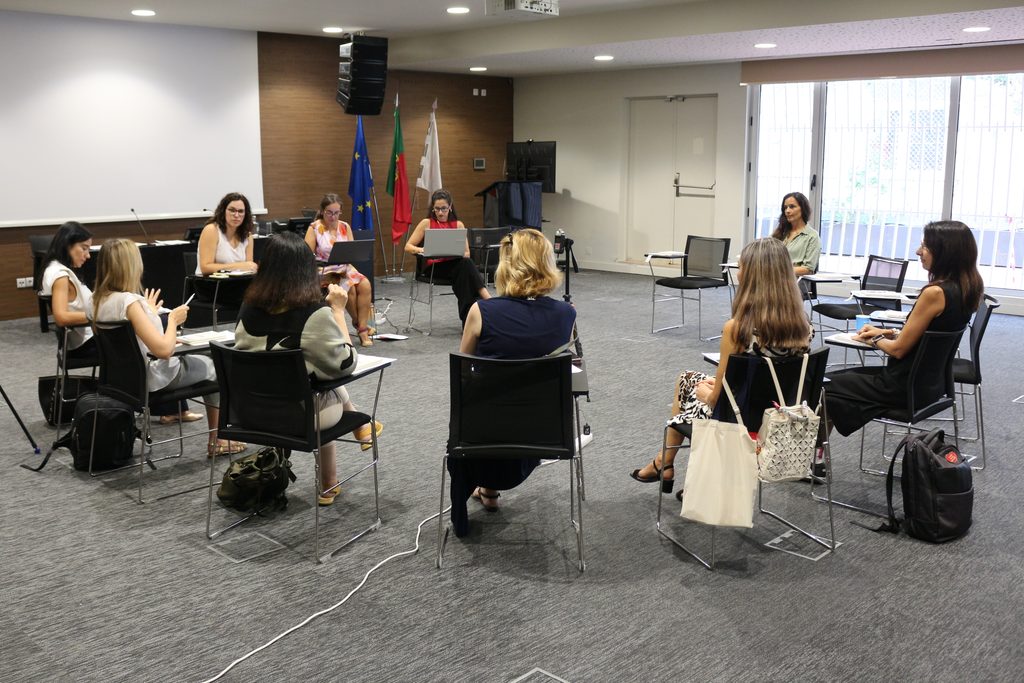
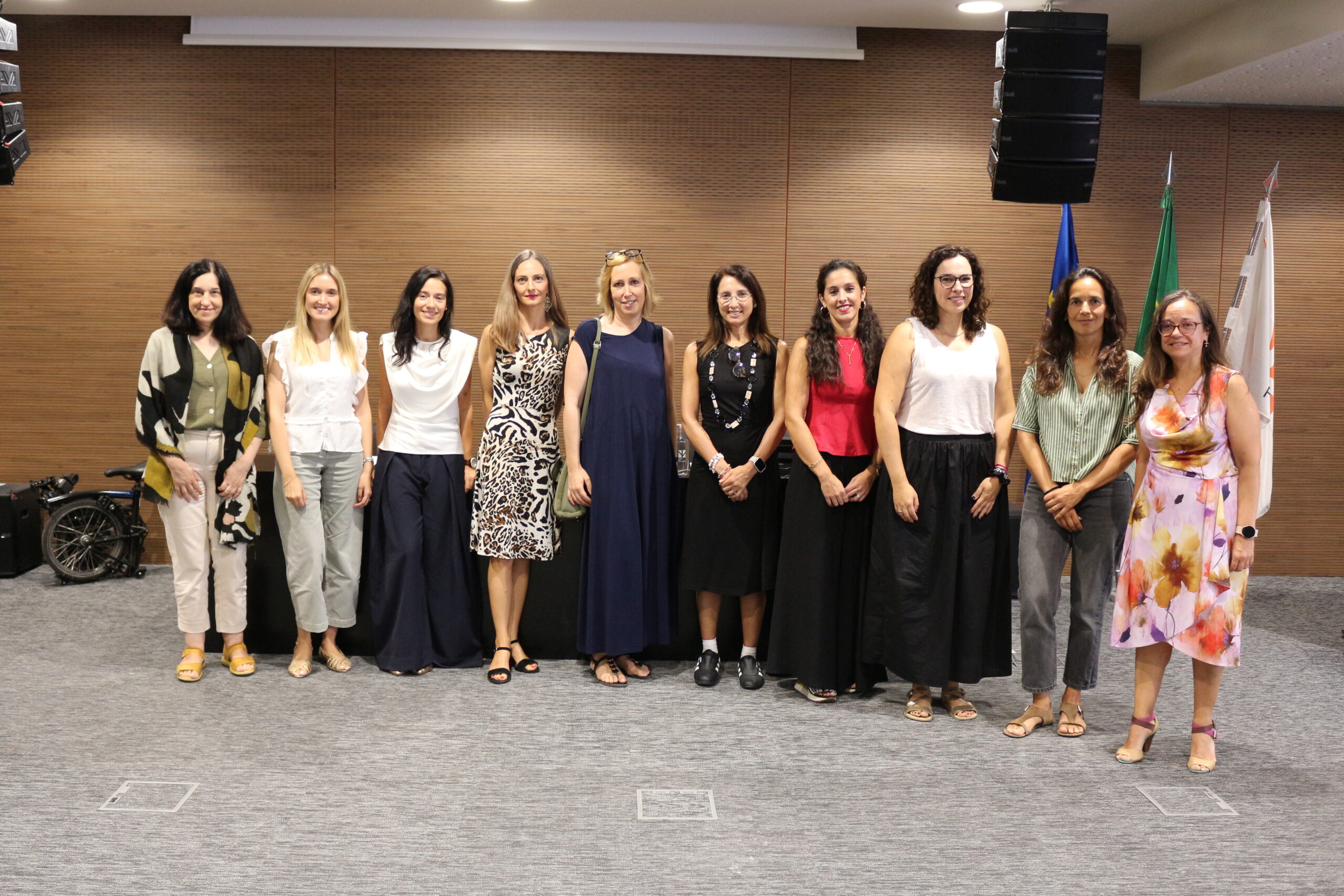
How can information about prostate cancer help someone make decisions about their care when a diagnosis brings fear and difficult questions? This was one of the issues discussed at a focus group held at the headquarters of the Portuguese Psychologists Association (OPP) on 24 September 2026, as part of the CLEAR-PC project.
The session brought together specialist psychologists with relevant experience in oncology to explore their perspectives on how people access, understand and use health information throughout the course of the disease. The focus group also addressed digital health literacy, communication with healthcare teams and patients’ involvement in decisions about their care.
Clear information, at each person’s pace
Participants discussed how the emotional impact of a diagnosis, technical language and too much information can make understanding difficult, particularly during the first consultations. They also considered the challenges of searching online: finding information matters but interpreting it in the context of an individual’s situation may require specialist professional support.
The discussion also covered the effects of the disease and its treatment on everyday life, including changes in sexual function, urinary incontinence and support needs after treatment. The invited psychologists reflected on the role of families, communication about palliative care and the importance of giving patients ongoing opportunities to ask questions and make informed decisions, both during the disease and after treatment.
Psychology’s contribution to CLEAR-PC
The experience of the Portuguese psychologists helped identify communication difficulties, ways to support people with prostate cancer and their families, and inequalities in access to psychological support for patients in more vulnerable circumstances. The contributions from this focus group will be analysed alongside those from other CLEAR-PC research activities, such as other focus groups, interviews, and surveys. Together, they will help guide the development of new resources and strategies for improving health literacy and digital health literacy at all stages of prostate cancer.