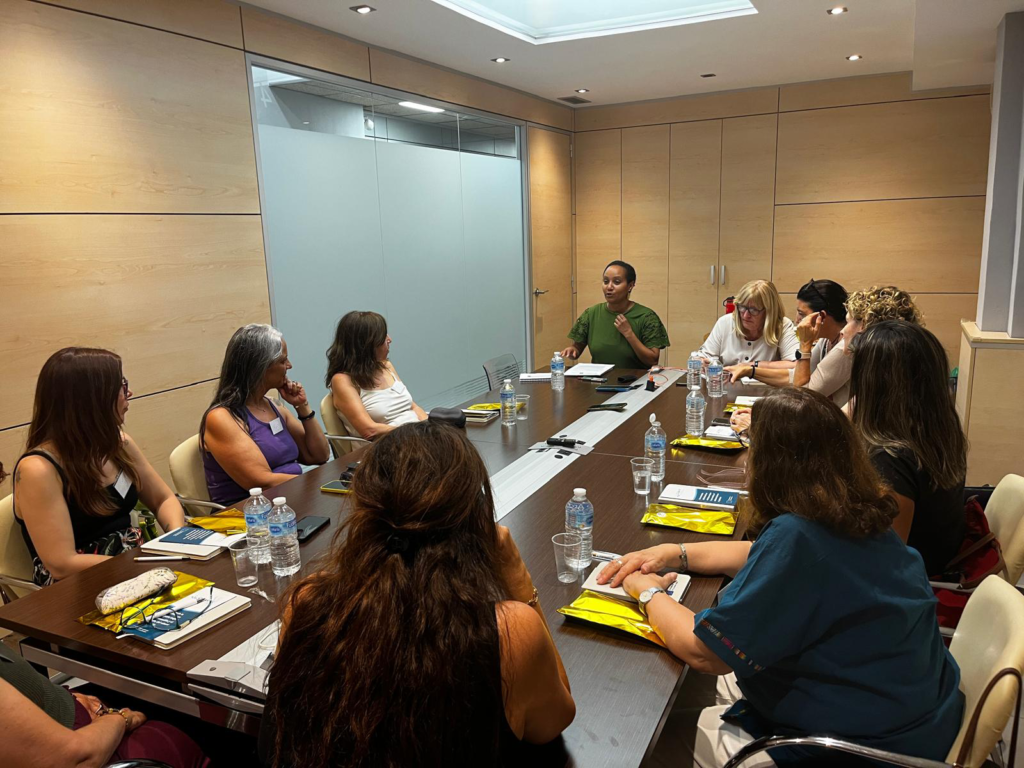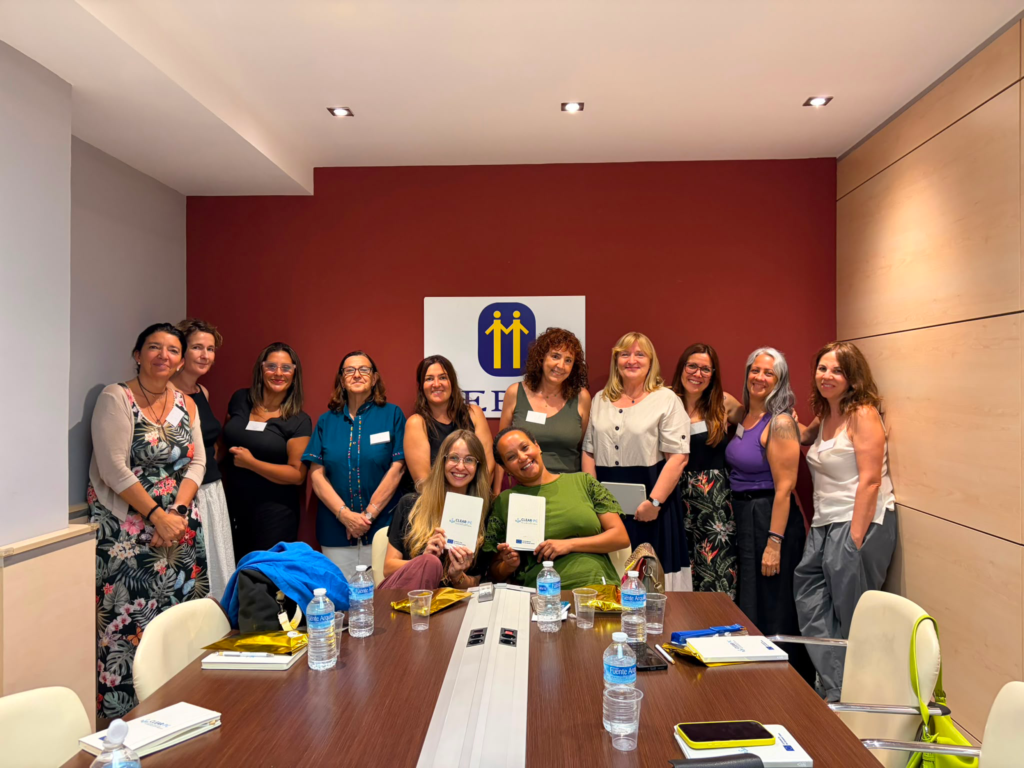
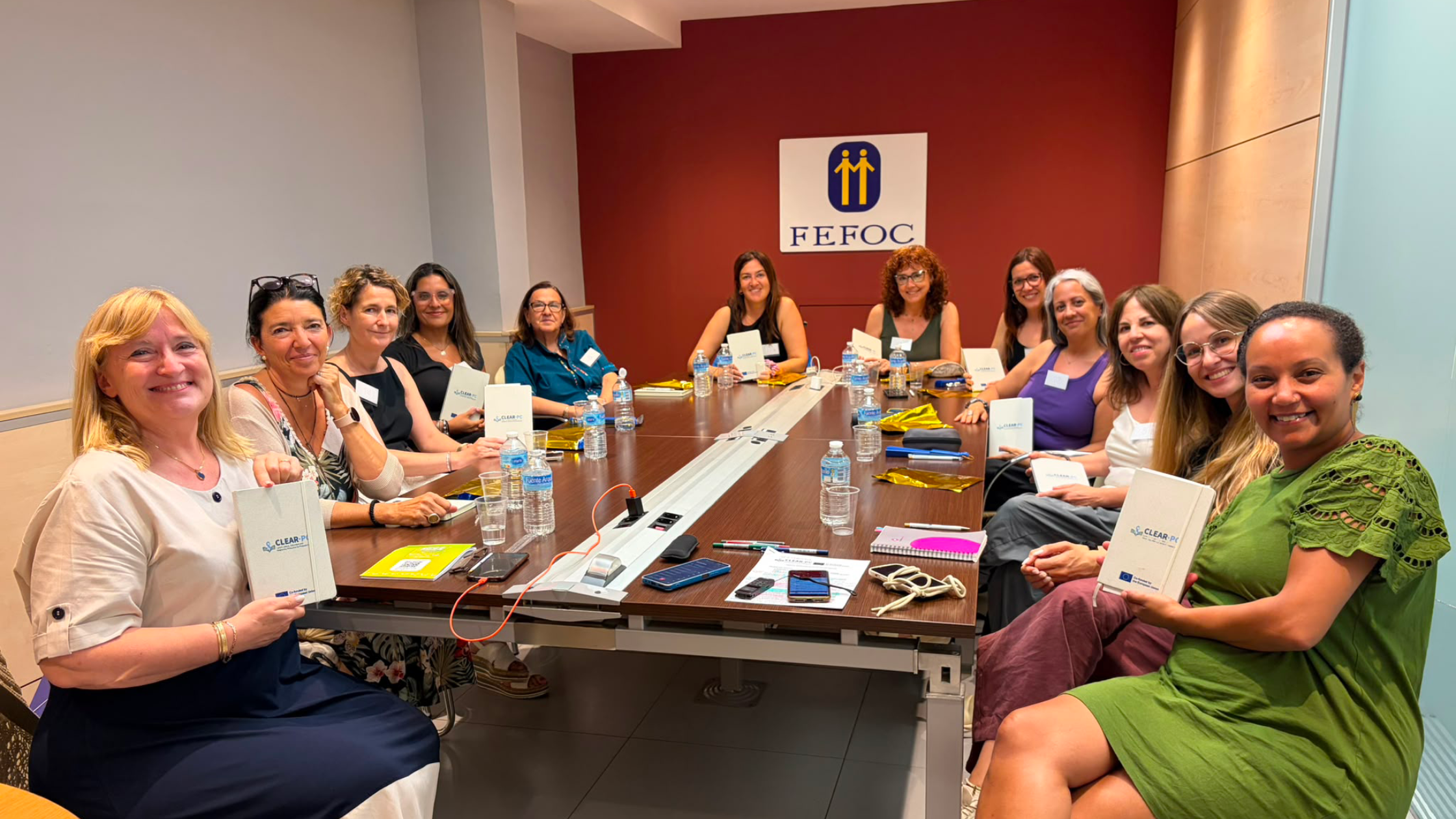
How does emotional wellbeing influence the way men with prostate cancer understand health information and make decisions about their care? This and other relevant questions related to health literacy across the prostate cancer care pathway were explored during a focus group organised by Work Package 4 of the CLEAR-PC project on 30 June 2026.
The session was conducted in Barcelona, Spain, by CLEAR-PC researchers Deborah Bekele (Universidad Miguel Hernández de Elche), Tania Estapé (Fundación FEFOC), and Laura del Álamo Ferrández (Universidad de Murcia), and brought together nine psycho-oncologists with experience supporting people living with cancer.
Psycho-oncology, health literacy and prostate cancer care
Psychological factors can influence the ability of cancer patients and their relatives to process information, ask questions, and participate in important decisions about treatment and care. Psycho-oncologists play a fundamental role in providing psychological support to them.
The focus group aimed to explore the experiences of psycho-oncologists regarding health literacy and digital health literacy at every stage of prostate cancer, from early diagnosis and screening to treatment decision-making and palliative care.
Participants discussed the difficulties that men living with prostate cancer and their families face when accessing, understanding, and using health information. They also described the barriers they encounter in their professional practice when communicating complex or emotionally sensitive information. A central part of the discussion focused on the strategies psycho-oncologists use to help patients and caregivers manage information and participate in health decisions.
Contributing to the CLEAR-PC strategy
The findings from this focus group will contribute to Deliverable 4.2, which will be published in January 2027, and will help the CLEAR-PC consortium identify both barriers and facilitators in supporting people living with prostate cancer.
This focus group forms part of a broader research strategy involving focus groups, interviews, and surveys with healthcare professionals, patients, and other key stakeholders. Together, these research activities will inform the design of effective health literacy tools and resources aimed at improving communication, awareness, patient engagement, and shared decision-making for people affected by prostate cancer across Europe.